









- Choosing a selection results in a full page refresh.

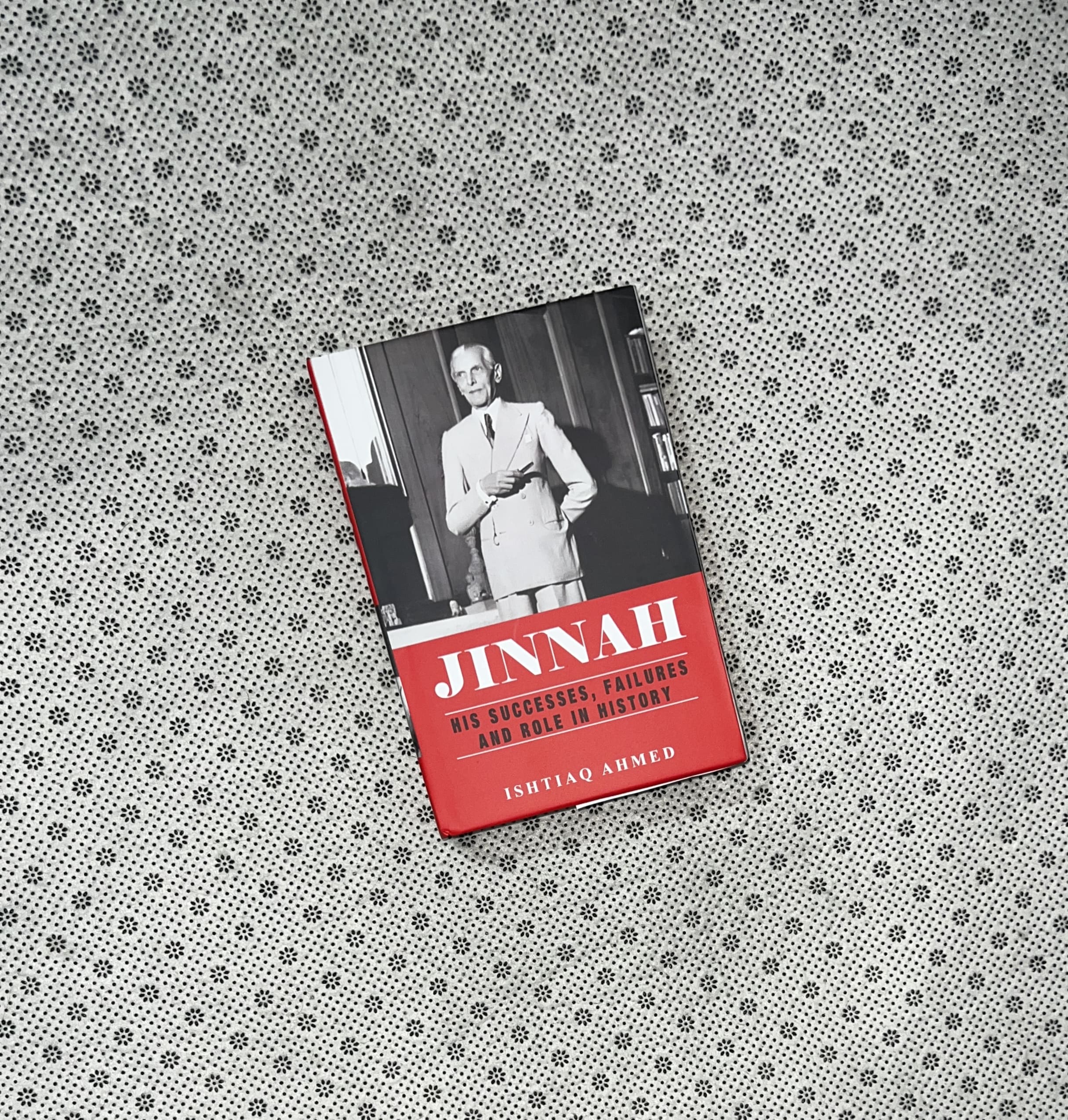
The figure of Mohammad Ali Jinnah has been both celebrated and reviled for his role in the Partition of India, and the controversies surrounding his actions have only increased over time. In the pages of JINNAH by Ishtiaq Ahmed, the leader's actions are placed under intense scrutiny to ascertain the Quaid-i-Azam's successes and failures, as well as the meaning and significance of his legacy. Using a wealth of contemporary records and archival material, this study traces a journey from an Indian nationalist to a Muslim communitarian, and then from a Muslim nationalist to, finally, Pakistan's all-powerful head of state.
How did the ambassador of Hindu-Muslim unity become the inflexible votary of the two-nation theory? Did he envision Pakistan as a theocratic state, and what was his true position on federalism and Mahatma Gandhi? Asking these crucial questions against the backdrop of the turbulent struggle against British colonialism, JINNAH by Ishtiaq Ahmed stands as a path-breaking examination of one of the most controversial figures of the twentieth century. It offers vital insights into South Asian politics, making it a standout addition to the library of any serious reader.
This masterful analysis was written by Ishtiaq Ahmad, who brings his extensive academic background to the project to provide deep context and meticulous research. The text operates as a crucial piece of literature within the best selling biography history genre, stripping away myths to examine historical reality. Through this work, author Ishtiaq Ahmad provides a comprehensive look at a complex political life. For anyone seeking to understand the architectural shifts of the subcontinent, JINNAH by Ishtiaq Ahmed is a definitive text that brilliantly defines the best selling biography history category.
Thanks for subscribing!
This email has been registered!